29 November 2025 – Baidoa, Somalia
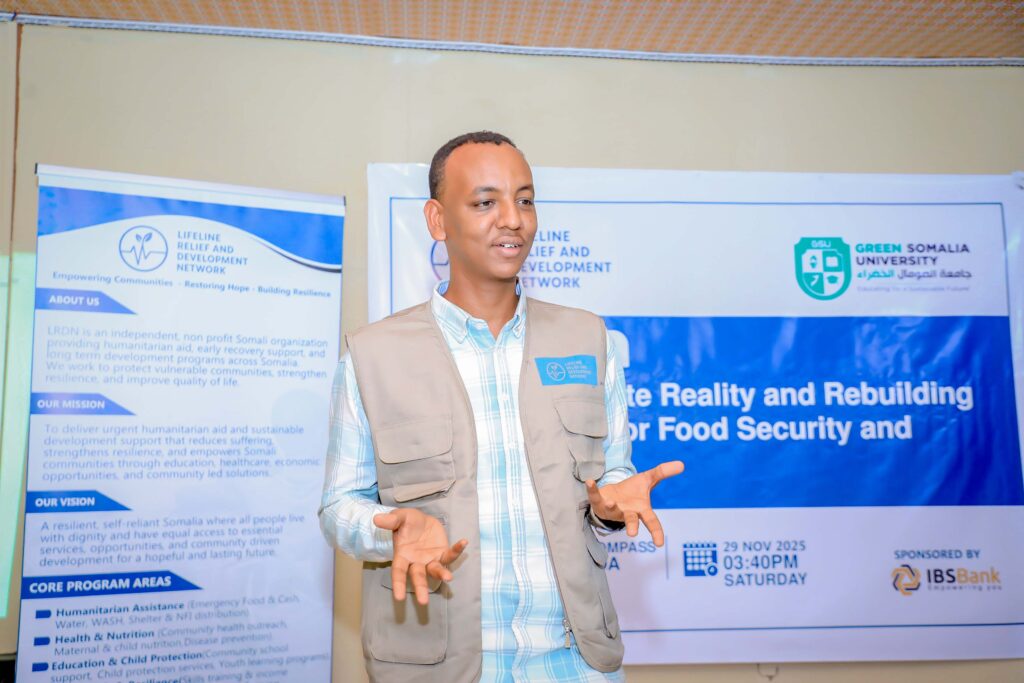
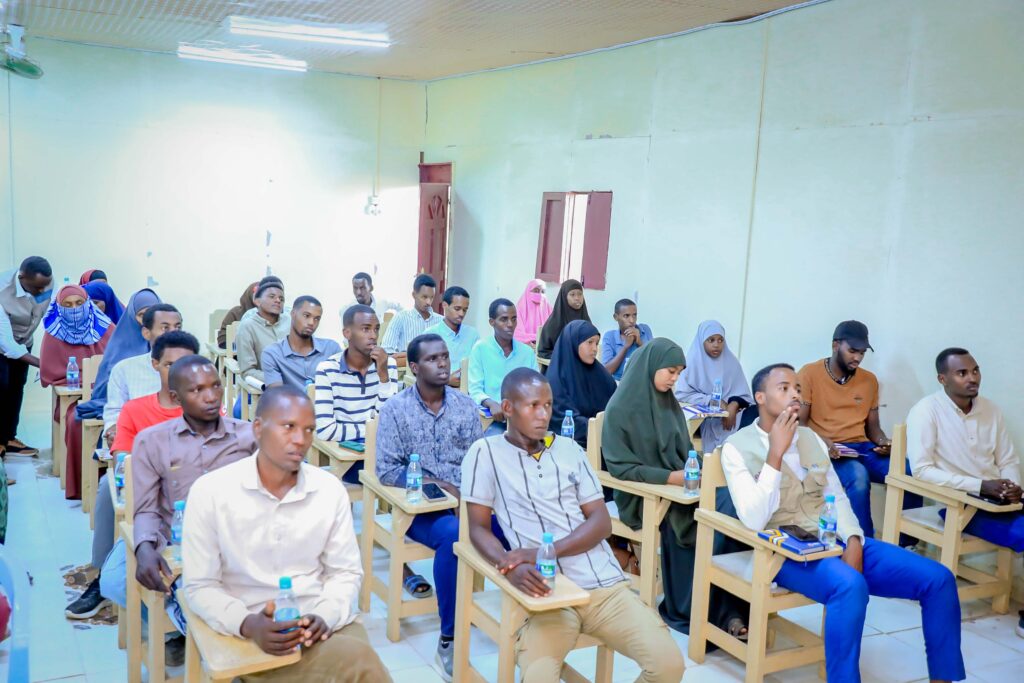
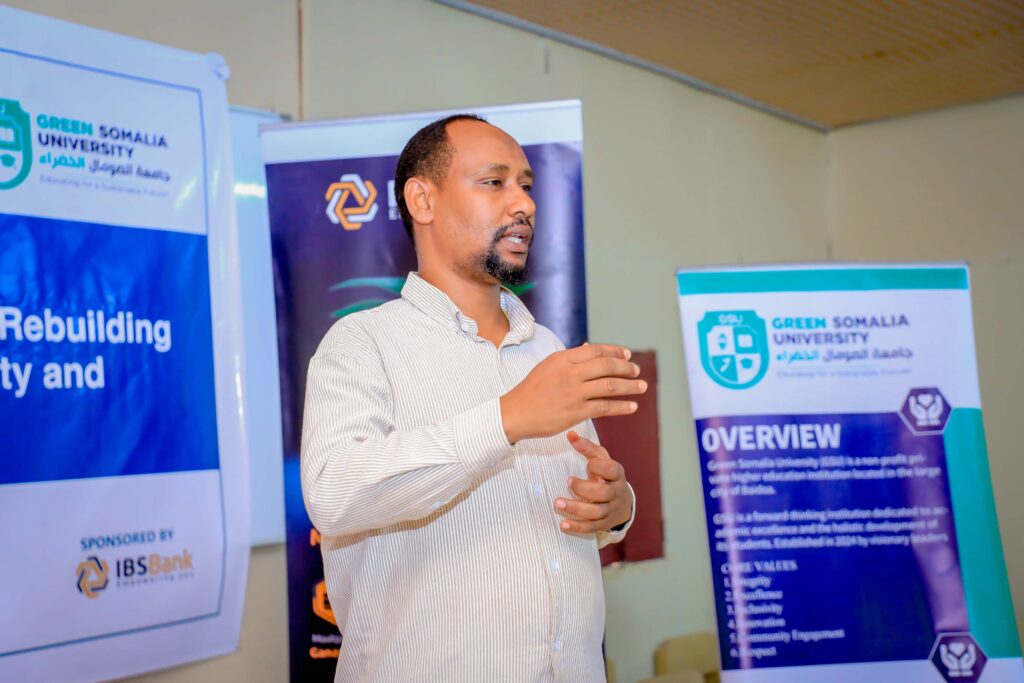
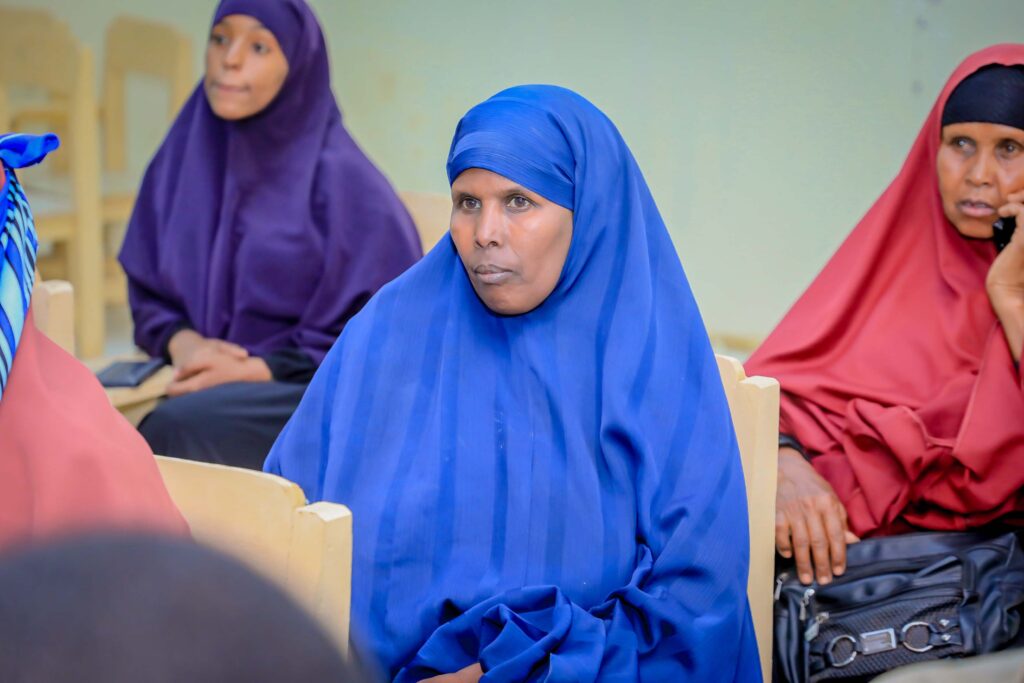
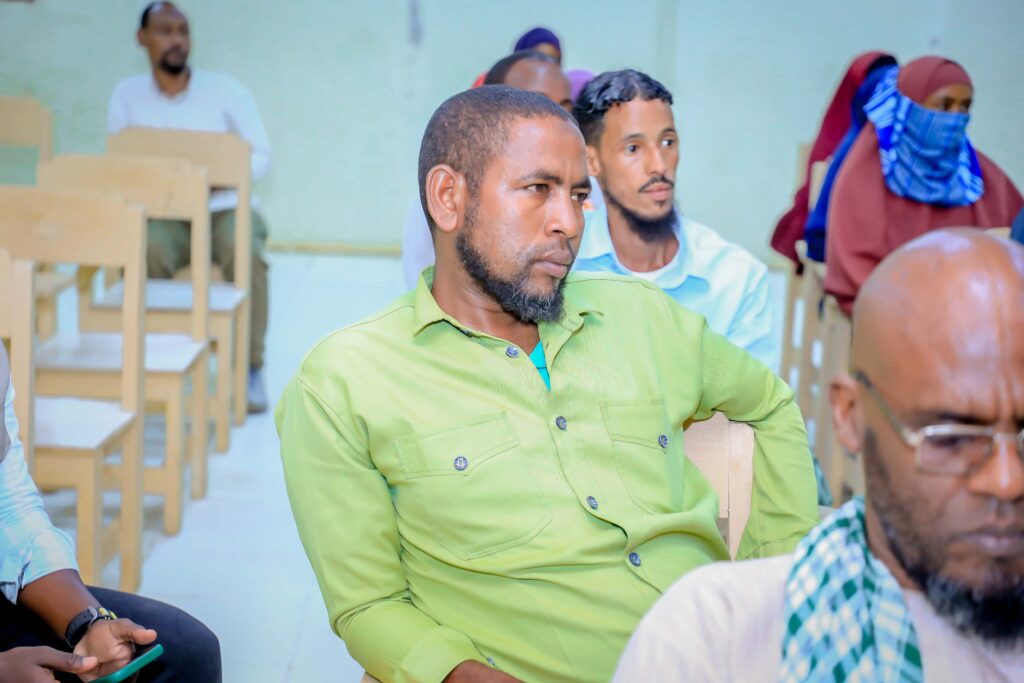
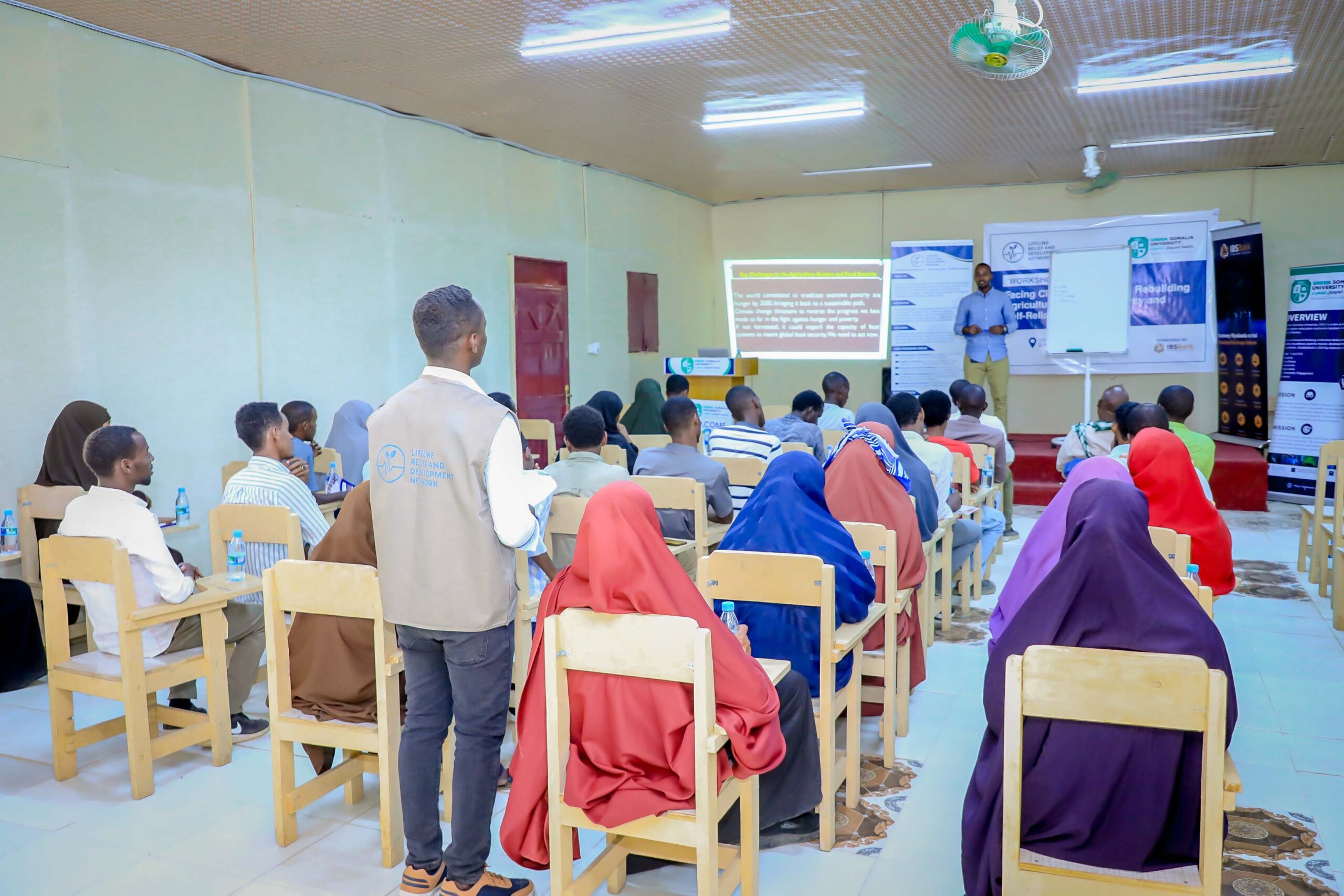
On 29 November 2025, Lifeline working together with Green Somali University—successfully conducted a one-day workshop in Baidoa focused on raising awareness about climate change, the ongoing drought challenges in Somalia, and the vital role of agriculture in building community resilience and self-reliance. Supported by IBS Bank, the event brought together more than 30 participants, including members of local farmers’ committees and university students studying agriculture and climate sciences. The workshop created a platform for real conversations, where participants discussed climate-related challenges, shared lived experiences from their communities, and explored how agriculture can offer both immediate and long-term solutions.
Somalia continues to face one of the most complex climate crises in the region. Repeated droughts, occasional flash floods, and shifting weather patterns have severely affected crop production, rangelands, and water availability. These shocks have pushed millions into food insecurity and have placed heavy pressure on humanitarian systems. At the same time, large funding gaps in emergency response efforts have limited the ability of agencies to meet all critical needs. This growing mismatch between needs and resources highlights the importance of shifting toward approaches that reduce vulnerability rather than only responding to crises.
Agriculture remains one of the strongest pathways to long-term stability for rural communities. Strengthening farming systems, restoring degraded land, improving water management, and supporting livestock health can provide families with reliable income and food sources even during difficult seasons. Climate-smart agricultural approaches—such as drought-tolerant seeds, efficient water-use technologies, soil improvement practices, and regenerative land management—are increasingly recognized as key tools that help communities adapt to a changing climate. These methods not only improve productivity but also reduce future dependence on emergency assistance.
Throughout the workshop, participants showed strong enthusiasm for solutions that link traditional knowledge with new agricultural and climate techniques. Farmers shared firsthand experiences of how drought has affected their crops and livestock, while students contributed scientific insights and practical ideas from their studies. Together, they identified locally relevant practices that can be piloted in Baidoa and surrounding areas, including small demonstration plots, water harvesting methods, community training sessions, and farmer–student collaboration on climate-adaptive farming.
The workshop concluded with a shared understanding that Somalia’s long-term resilience depends not only on humanitarian response but also on sustained investment in agriculture, rural skills development, and climate adaptation. Empowering farmers, engaging youth, and strengthening local institutions were highlighted as essential steps toward food security and national self-reliance. Lifeline RDN expresses its appreciation to Green Somali University, IBS Bank, and all participants for contributing to this important and timely dialogue. Lifeline will continue to support community-led initiatives aimed at strengthening resilience and promoting sustainable agricultural development across Somalia.